Performance Testing, Diagnosis & Audits
Solution Driven Whole Home As System Evaluation
Performance Audit
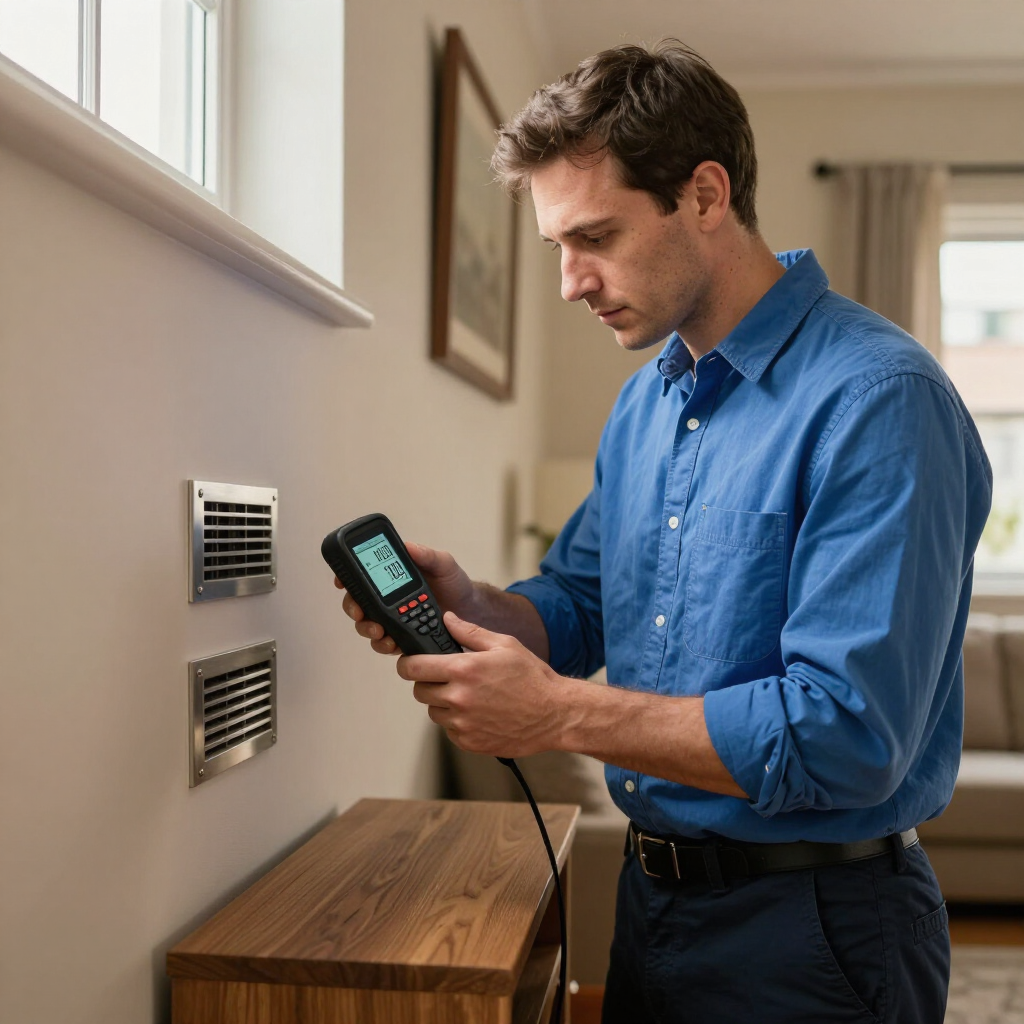
A Performance Audit is a whole-house building-science evaluation of how the home’s enclosure, HVAC equipment, duct system, insulation, ventilation, moisture conditions, and pressure relationships are working together. Using field measurements and diagnostic testing, we evaluate the movement of air, heat, and moisture through the building, how conditioned air is being delivered and returned, how attics, crawlspaces, basements, and other adjoining spaces interact with the living environment, and whether the home’s air, thermal, and mechanical systems are working as intended. The goal is to replace assumptions with measured information and develop a clearer understanding of how the home is actually performing.

Why Get a Performance Audit?
Too many homeowners are left with comfort problems, high energy bills, or moisture issues in homes that were supposed to be built correctly. Builders and contractors often push for quick fixes or equipment replacements that don’t solve the real problem — and homeowners end up paying the price with recurring issues and wasted money.
A Performance Audit gives you the independent, science-based assessment you need to:
- Identify the root cause of comfort, efficiency, or air quality problems instead of guessing
- Avoid unnecessary expenses like oversized HVAC replacements or partial fixes that don’t address the real issue
- Hold builders and contractors accountable with objective findings you can use to demand proper repairs
- Prioritize the right improvements so you invest in solutions that actually work
- Get peace of mind before warranty deadlines or when disputes arise
When you’re dealing with bad construction practices, HVAC or insulation issues, or contractors who won’t take responsibility, a Performance Audit is how you get clarity, accountability, and a real resolution not just another sales pitch
Triaging The Home As A System
Not every condition should be treated with the same priority. We use observations, measurements, and diagnostic testing to separate symptoms from contributing conditions and determine what needs immediate attention, what requires further investigation, and what can be addressed later.
The goal is to put the findings in the right order so corrective work is based on evidence rather than assumptions.

Project name
09.01.25
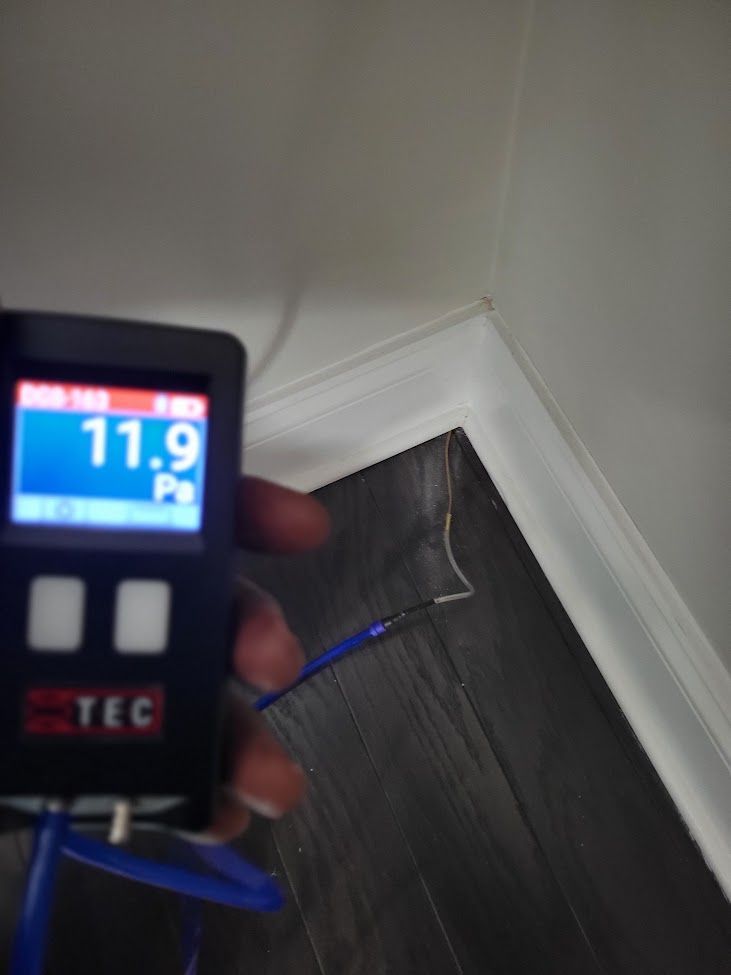
Duct Leakage In Wall Cavity
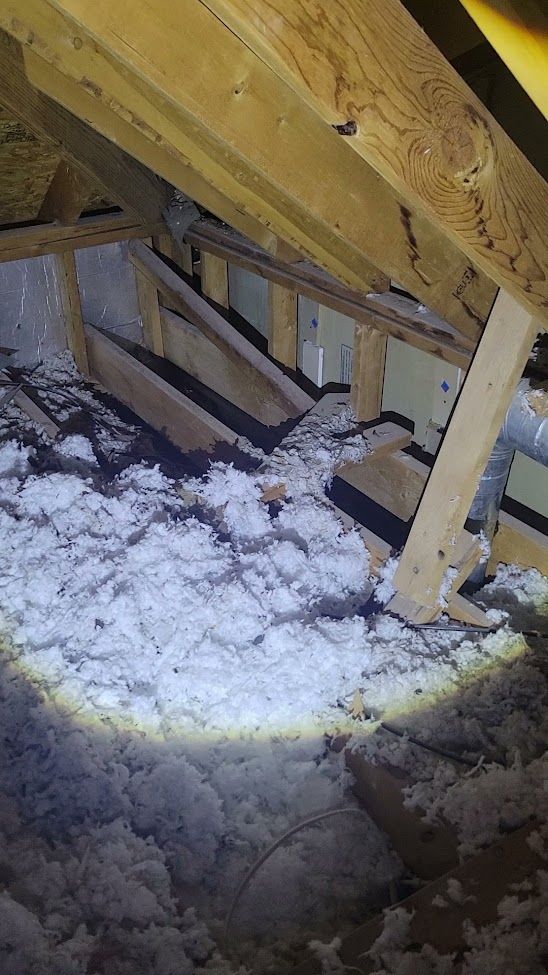
Uninsulated Attic Chase Connected To The Crawlspace
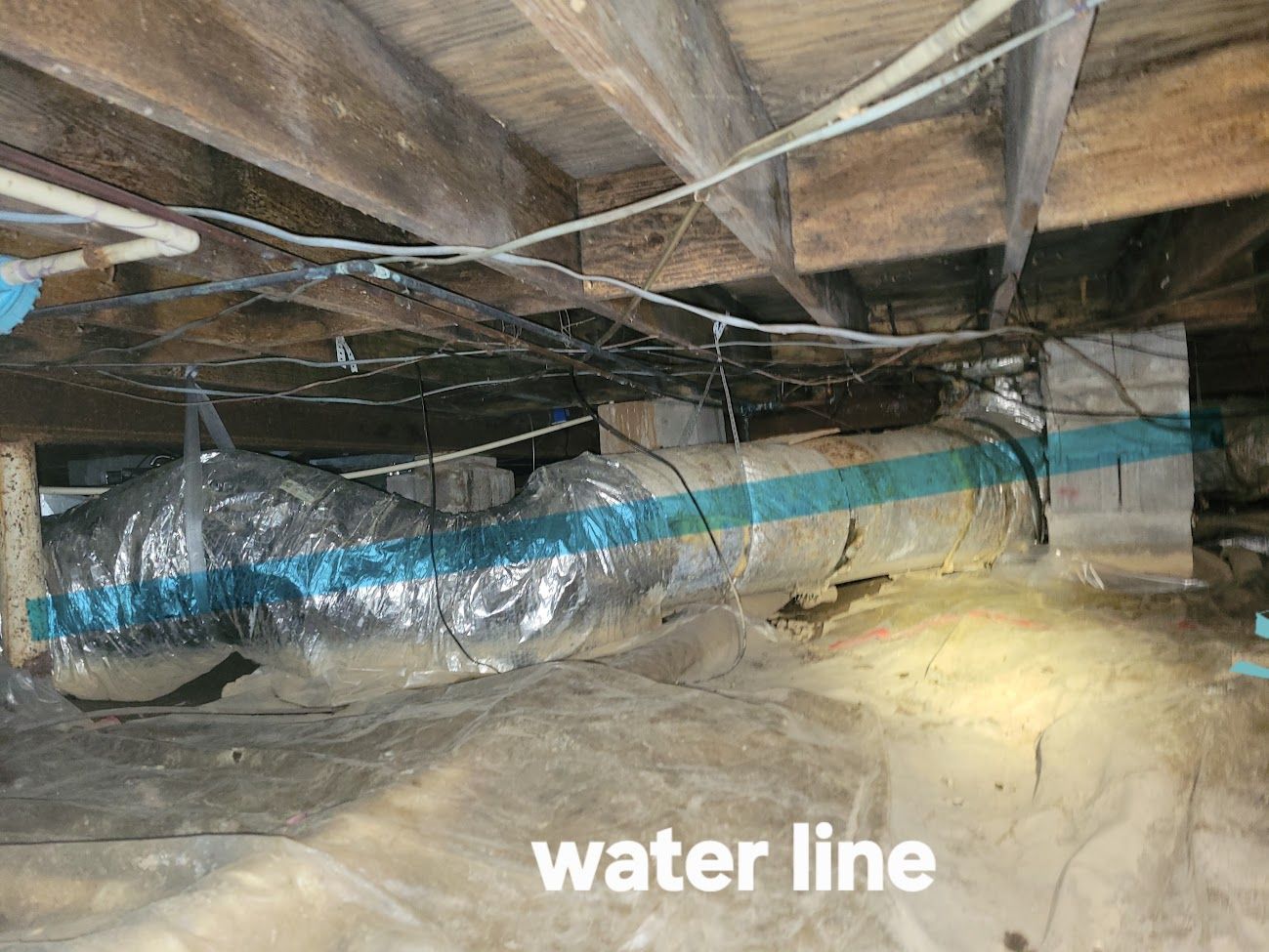
Water Went Undetected In Ducts For Months. We Provided Proof For The Rental Client
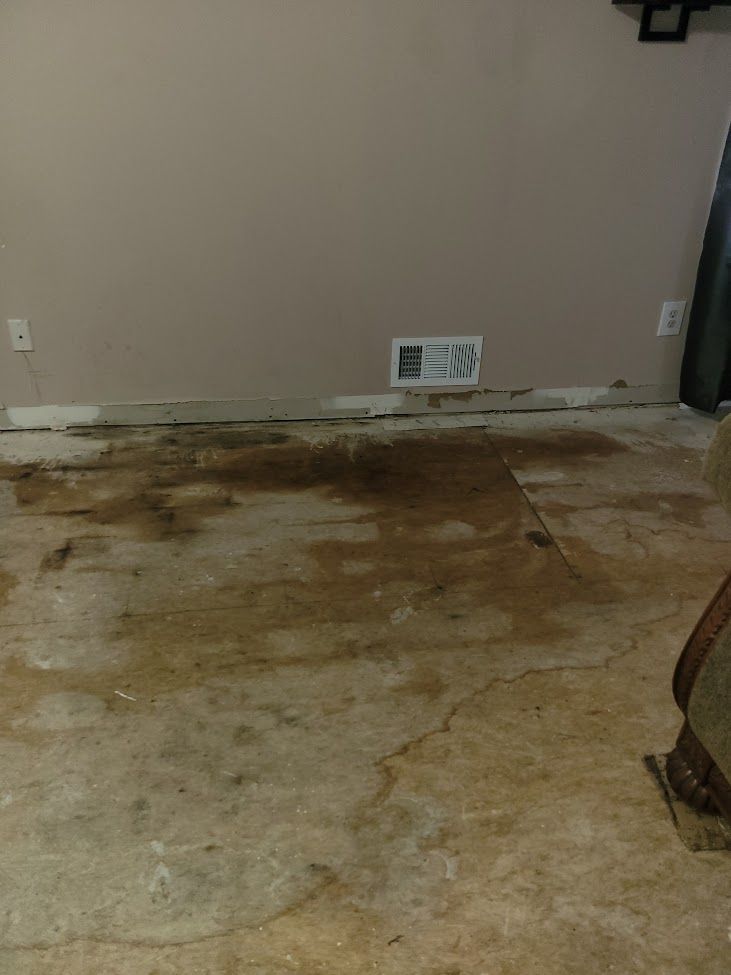
Discovered Hidden Moisture Damage
New Construction Evaluation
A new home should do more than look finished it should perform as a complete building system. Our New Construction Evaluation is designed to determine how the home is actually operating by evaluating the building enclosure, HVAC equipment, duct system, insulation, ventilation, airflow, moisture conditions, and pressure relationships.
Unlike a traditional energy audit, this evaluation is not dependent on utility bills or a history of high energy use. We use building-science diagnostics and field measurements to evaluate the house itself how tightly it was built, how conditioned air is being delivered, how the duct system is performing, how attics and other adjoining spaces interact with the living area, and whether the enclosure and mechanical systems are working together as intended.
This makes the service valuable not only when something already feels wrong, but also for new buyers and homeowners within the first months of occupancy who want to establish how the home is performing before small deficiencies develop into larger comfort, humidity, moisture, or HVAC problems. A standard home inspection can identify many visible construction concerns; a performance-based evaluation goes further by measuring conditions that may not be visible during a conventional inspection.
When deficiencies are identified, we connect the observations and test results into a practical resolution plan. That information can help homeowners prioritize corrections, document measurable performance concerns, and communicate more effectively with builders and contractors while warranty options are still available.
The objective is not to wait for high energy bills or repeated repairs to prove that something is wrong. It is to
evaluate the home early, establish how it is performing, and use measurable information to make better decisions about what should or should not be corrected.
Existing Home Evaluation
Existing homes change over time. HVAC equipment gets replaced, duct systems are modified, insulation is added or disturbed, repairs are made, additions are built, and building materials age. Even when each improvement appears reasonable on its own, the way those changes interact can affect airflow, pressure, moisture control, ventilation, comfort, and overall building performance.
Our Existing Home Evaluation uses building-science principles and diagnostic testing to determine how the home is actually operating today. We evaluate the building enclosure, HVAC equipment, duct system, insulation, ventilation, airflow, moisture conditions, and pressure relationships to understand how the systems are interacting and where performance may be breaking down.
This evaluation is not limited to homes with high utility bills or an obvious failure. It can be used to establish a performance baseline, investigate recurring comfort or humidity concerns, evaluate an older or recently renovated home, or provide an independent assessment before major HVAC, insulation, air-sealing, or remodeling work is performed.
When conditions are identified, we connect the measurements and observations into a practical path forward. The goal is to determine what is contributing to the condition, what should be addressed first, and which improvements are most likely to produce meaningful results.
For homeowners who have already been through repeated repairs, equipment replacements, or conflicting contractor recommendations, an Existing Home Evaluation provides something different:
measured information about how the house is performing before more money is spent trying to fix it.
Third-Party Evaluation
When a project, repair, installation, or building-performance concern reaches a point where the parties involved need an independent technical assessment, TruResults can step in as a neutral third party.
We work with homeowners, builders, HVAC contractors, insulation contractors, property managers, and other professionals who need objective information about how the home or system is actually performing. A Third-Party Evaluation may also be incorporated into a Performance Audit when broader building-science diagnostics are needed.
Depending on the scope, we may evaluate the building enclosure, HVAC equipment, duct system, airflow, insulation, ventilation, moisture conditions, pressure relationships, and previously completed work to determine how the systems are operating and interacting.
This service is especially useful when:
- Problems continue after repairs or installation
- The cause of a condition remains unclear
- Different parties have reached different conclusions
- Installation or system performance needs to be verified
- Additional work is being considered and better diagnostic information is needed
- Objective measurements and documentation are needed to help determine the next step
Our role is to evaluate, measure, document, and explain the conditions found. We are not there to automatically support one side over another.
The objective is to provide independent technical information that helps the parties involved understand what is happening, what may be contributing to it, and what should happen next.
Controlling The Elements Is The Steps To A Healthy Home
Heat Flow
Heat moves from areas of higher temperature to areas of lower temperature. Conduction, Convection, and Raidant heat flow is a cat and mouse game to maintain comfort from heat loss and heat gain. The heat lost in the winter must be replaced by your heating system and the heat gained in the summer must be removed by your cooling system. In a underperforming home in climate zone 3, twice a year a homeowner will spend extra fighthing The Dog Days of summer and Old Man Winter.
Air Flow & Pressure
Georgia has warm humid summer nights. Stack effect ,HVAC systems,and wind depressurization can draw moist air into building wall cavities, where it may condense and cause moisture damage. If it is pressurization or depressurization, comfort, health, building integrity, and finaces are all at risk.
Moisture
Mositure in your home can come from many sources. Mositure can enter your home by air leakage, intrusion, leaky ducts, or seeping through foundations. Things will happen but controlling the elements make things much better. Oftertimes contractors don't understand Building Science, so comfort isn't designed in the plans.
Indoor Air Quality
Air Quality in and around the home is always a mystery. There is no one product or 30 minute service call that can fix all of your IAQ issues. Pollutants come from people, pets, building materials, outdoor sources, and a million other things. An improperly installed HVAC system or a spray foamed attics, can cause catastrophic failures to IAQ and even the home structure.