Metro Atlanta Home Performance Testing, Diagnosis & Comfort Solutions Specialist
Blower Door Testing, Duct System Optimization, Energy Audits, Air Sealing, & IAQ Testing.
Homes may look alike and share similar designs, but they do not always perform the same. Construction, occupants, weather, air leakage, HVAC operation, and everyday use can affect each home differently.
There is no single product or quick fix for every moisture, dust, odor, comfort, airflow, energy, or indoor air quality concern. Poor construction, uncontrolled air leakage, duct deficiencies, insulation problems, and HVAC design or installation issues can all contribute to how a home performs.
At TruResults Home Services, we start by understanding your concerns, inspecting the conditions, diagnosing likely causes, and using measurement and performance testing where appropriate to determine what is actually happening.
Testing allows us to move beyond assumptions by measuring conditions such as air leakage, airflow, pressure, duct performance, and energy loss. Our goal is to identify the underlying causes and recommend practical performance solutions based on how the home and its systems are actually operating.
Controlling The Elements
Every day The Elements Of Nature Fight To Destroy Your Home
Home Performance & Beyond
TruResults Home Services provides independent home performance evaluations, diagnostics, and testing for new and existing homes throughout Metro Atlanta.
Our services include third-party testing and verification, energy audits, performance audits, performance inspections, HVAC diagnostics, duct system evaluations, and blower door testing to measure whole-house air leakage. We identify conditions affecting comfort, indoor air quality, energy efficiency, moisture control, and airflow.
How a home is built—and how its systems work together—affects its comfort, durability, and operating costs. Insufficient insulation, uncontrolled air leakage, improper HVAC installation, and poorly designed ductwork can contribute to uneven temperatures, higher energy bills, excess humidity, and reduced system performance.
Properly designed, installed, and maintained HVAC and duct systems work with insulation, air sealing, ventilation, and humidity control to support a more comfortable and efficient home.
TruResults evaluates these components as a connected system to identify underlying problems and recommend practical improvements based on the conditions found.
Controlling heat, air, and moisture is essential to maintaining a healthy, comfortable, and efficient home.
Creating A Healthy Home
A healthy home depends on controlling the conditions that affect indoor air quality, moisture, and building durability.
Air leakage, moisture movement, ventilation, filtration, pressure relationships, and contaminant pathways can all influence the indoor environment. When these conditions are not properly controlled, they can contribute to elevated humidity, odors, dust, microbial growth, material deterioration, and other indoor air quality concerns.
Evaluating these conditions as part of the overall building system helps identify contributing sources and pathways, reduce unnecessary exposure to pollutants, and develop practical solutions that support a healthier and more durable home.
Fixing The House & The Systems
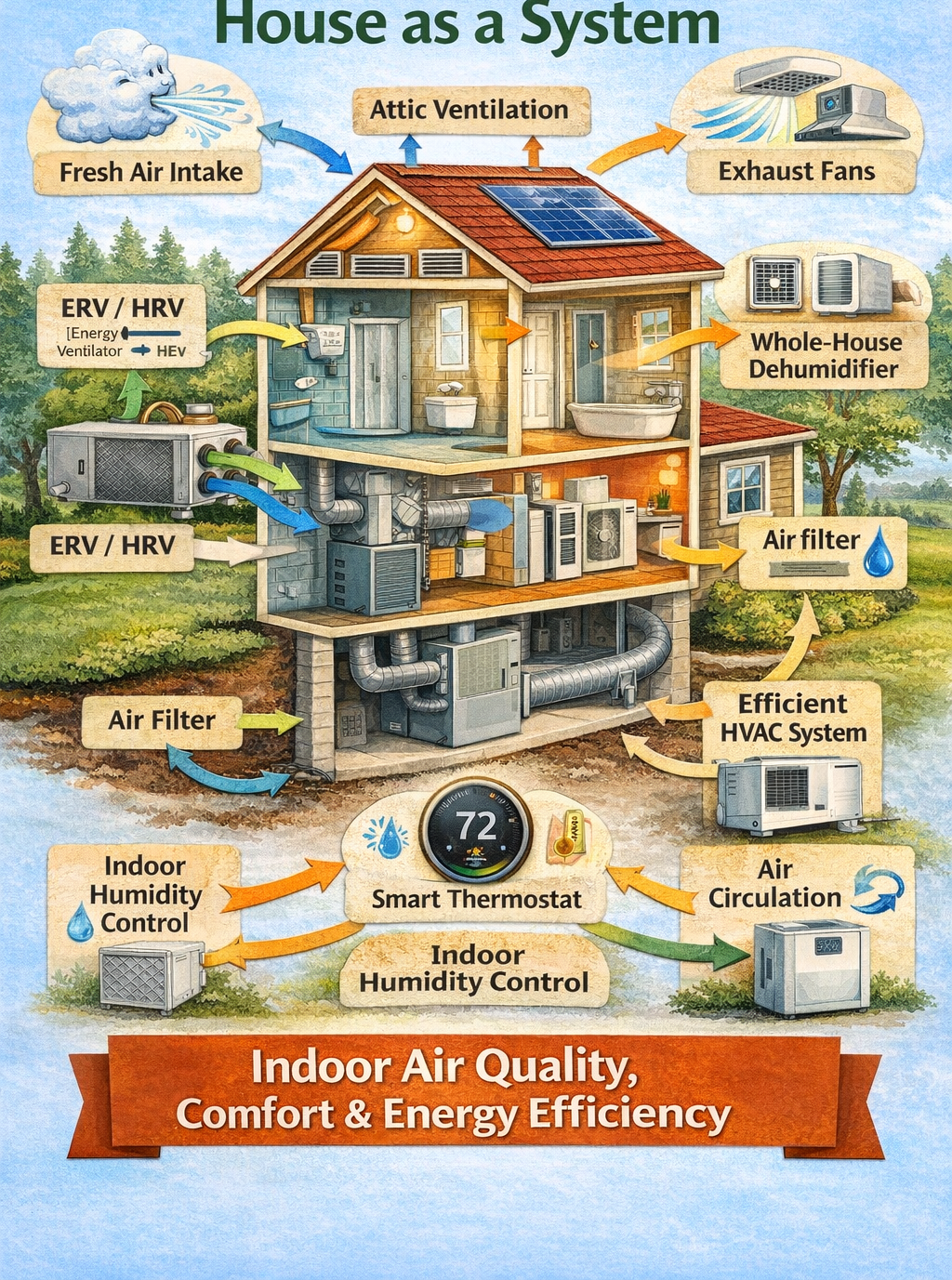
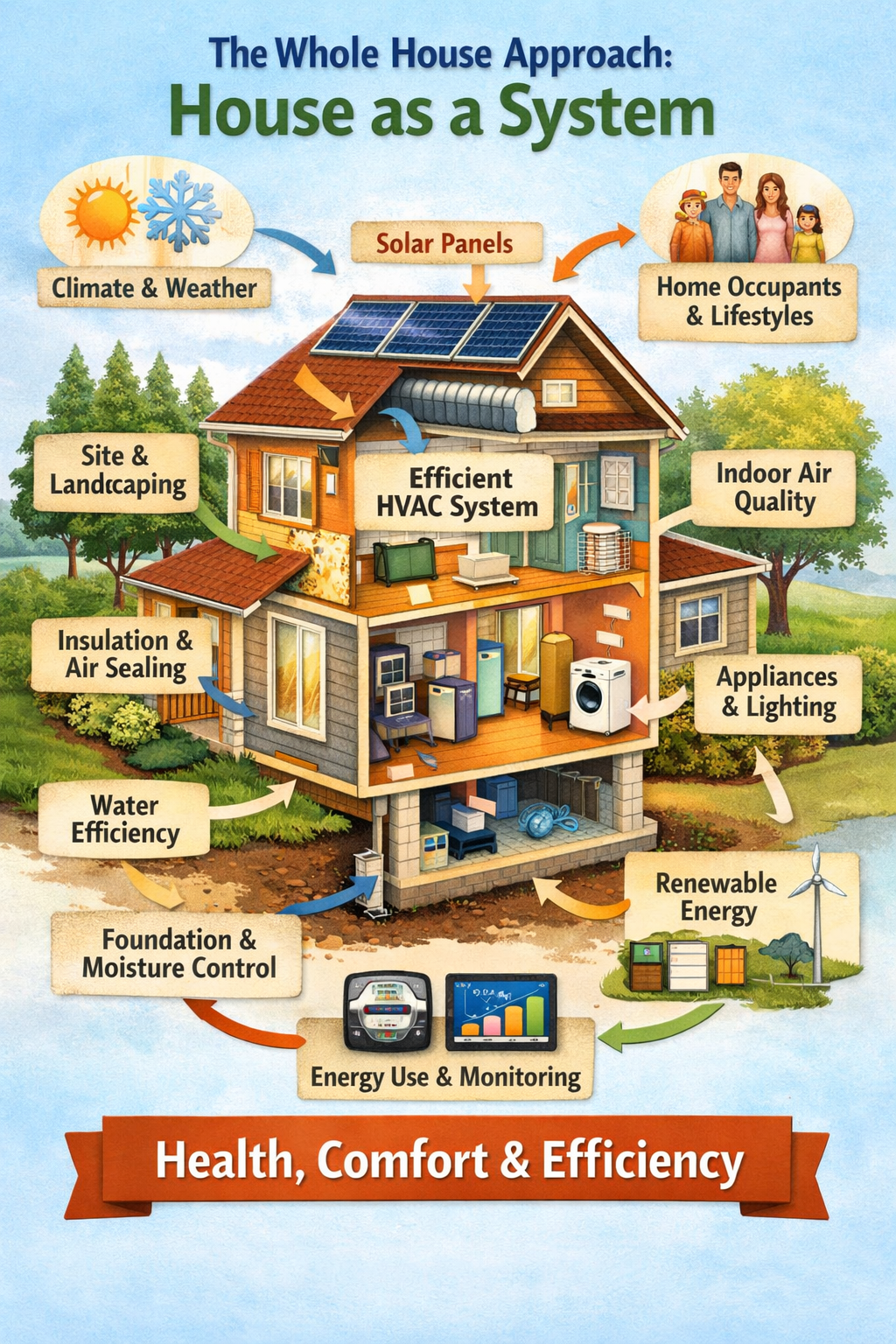
After years in HVAC, construction, and property maintenance, I saw how poor contractor workmanship and neglect can affect a home. That experience led us to approach every project by looking at the house as a system.
Our inspections and analysis give homeowners clear information about how their home is performing and what needs to be improved. That helps avoid costly mistakes, unnecessary repairs, and changes that solve one problem while creating another.
A house should provide comfort, healthy conditions, peace of mind, stability, and durability. When the systems are not working together, the whole home is affected. Fixing the house as a system is the only way to create a desired outcome and lasting results.
Our Goal Is To Help You Get It Right
The decision to repair or replace should be made by the person investing in the home, not by a contractor using pressure or fear to follow company-mandated upselling procedures. Honest recommendations should be based on proper inspection, diagnostics, and testing.
Applying a solution without accurate testing and diagnostic information is no different than prescribing a treatment protocol without first identifying the underlying condition. It can lead to misdiagnosis, ineffective or expensive repairs, secondary property damage, and conditions that may be harmful to occupants.
Putting Standards & Integrity Into Comfort.
Performance Inspection
A Performance Inspection is a comprehensive, non-invasive inspection of the home with an added focus on how the building and mechanical systems are performing.
In addition to evaluating the visible and accessible components of the home, we consider conditions that may affect comfort, moisture, airflow, ventilation, indoor air quality, HVAC performance, and overall building durability.
Best for: home purchases, existing-home evaluations, maintenance concerns, visible defects, and homeowners who want a broader understanding of the condition and performance of the property.
Energy Audits
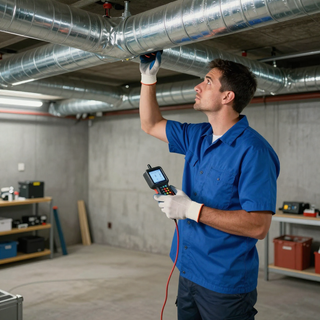
An Energy Audit is a focused evaluation of how the home uses and loses energy, with attention to the building enclosure, insulation, HVAC system, ductwork, air leakage, and other conditions that may be increasing energy use.
The goal is to identify practical opportunities to improve efficiency, reduce unnecessary energy loss, and improve overall system performance.
Best for: high utility bills, rebate or weatherization programs, comfort concerns related to energy loss, and clients who want a better understanding of where their home may be wasting energy.
Performance Audit
A Performance Audit is our most comprehensive whole-house evaluation, combining a detailed home performance inspection, energy audit, HVAC diagnosis, and appropriate diagnostic testing into one complete service.
We evaluate the condition and performance of the home as a system, including the building enclosure, HVAC equipment, ductwork, insulation, airflow, moisture, ventilation, humidity, indoor air quality, and energy use. Testing is used where appropriate to help confirm conditions, identify contributing factors, and support the proper corrective approach.
This service can be used whether the home is new, existing, recently purchased, being remodeled, or has undergone remediation or major repairs. It is also appropriate for homeowners who simply want a deeper understanding of how their home is performing before investing in improvements.
Best for: whole-house troubleshooting, new and existing homes, recently purchased properties, renovations, post-remediation evaluations, moisture or humidity concerns, HVAC and airflow problems, indoor air quality concerns, comfort issues, energy-performance concerns, and clients who want a comprehensive evaluation before making major decisions about the home.
Inspections, Audits, Evaluations, Diagnosis & Testing
Our inspections, evaluations, diagnostics, and testing are based on recognized building-performance principles, applicable standards, and measured conditions.
Whether the property is new construction or an existing home, the goal is to evaluate how the building and mechanical systems are performing, identify conditions that may be affecting comfort or performance, and determine the appropriate next step.
Good performance should not be left to assumptions. Proper inspection, diagnosis, testing, and verification provide the information needed to address problems accurately and develop practical solutions.
Georgia Mandatory Code Compliance
D.E.T Verifying
(Duct & Envelope Tightness Verification)
Duct & Envelope Tightness Verification
Georgia’s current residential energy code requires envelope airtightness testing for one- and two-family dwellings and duct leakage testing where applicable. Blower door testing must verify the building envelope at less than 5 ACH50, and duct leakage must meet the applicable Georgia threshold when testing is required.
TruResults Home Services recommends conducting blower door and duct leakage testing as early in the construction process as practical. Testing before finishes are completed can make it easier to locate leakage, complete air sealing, correct duct deficiencies, and reduce the risk of costly repairs or delays later in the project.
D.E.T. Verifying is a pass-or-fail code-compliance service. If a home does not meet the required threshold, we can help identify significant leakage areas, diagnose contributing conditions, and provide or assist with corrective solutions within our scope before retesting.
Blower door testing is a key part of verifying building-envelope airtightness. Duct leakage testing evaluates leakage from the HVAC distribution system. Together, these tests provide measurable information about how well the building enclosure and duct system were constructed.
For existing homes, duct leakage testing is generally not required unless more than 50% of the existing duct system is modified. Even when code testing is not required, blower door and duct leakage testing can still be valuable for diagnosing comfort, humidity, airflow, pressure, and energy-performance concerns.
Services Offered
- Quality inspection
- Blower door / envelope tightness testing
- Duct leakage testing
- Diagnostic assistance when a home does not pass
- Corrective solutions within our scope
- Retesting after corrections
- Pass/fail documentation for code-compliance purposes
Current Georgia thresholds
- Envelope leakage: Less than 5 ACH50
- Duct leakage: 6 CFM25 per 100 sq. ft. of conditioned floor area or less, where testing is required
- Mechanical ventilation: Applicable where the dwelling tests at 3 ACH50 or less
Early testing helps identify problems while they are still accessible and gives builders, contractors, and property owners a better opportunity to correct deficiencies before final completion.
Blower Door Testing
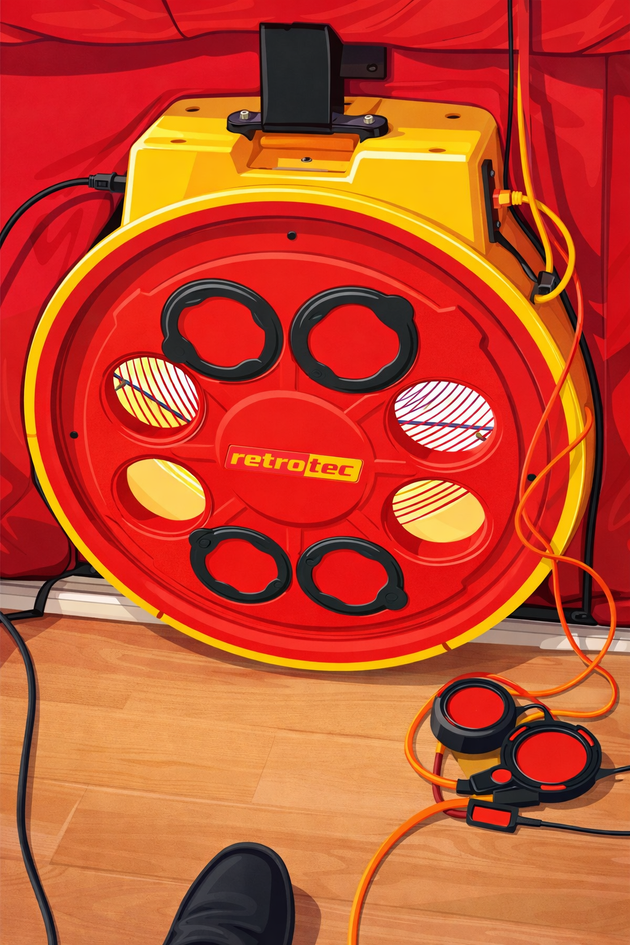
A blower door test measures the airtightness of the building envelope and quantifies uncontrolled air leakage.
The results help evaluate how air is moving through the home and provide useful information related to energy performance, comfort, indoor air quality, building durability, construction quality, and code compliance.
Blower door testing can also be used to verify air-sealing work, evaluate building additions and renovations, and document envelope performance before and after certain construction improvements.
Duct Leakage Testing
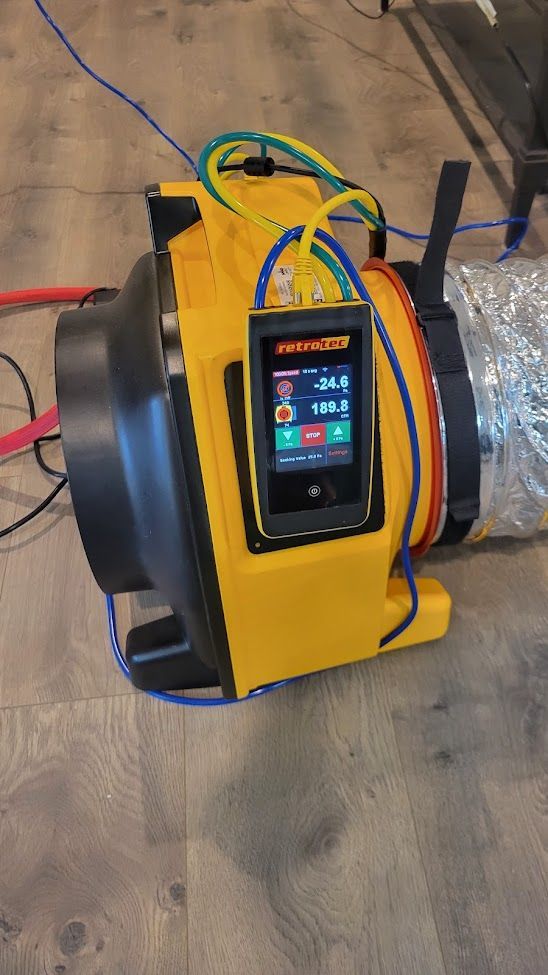
A duct leakage test measures air leakage within the HVAC duct system and evaluates the condition of the air-distribution network.
The results can help identify leakage that may affect airflow, HVAC performance, comfort, humidity control, energy efficiency, installation quality, and code compliance.
The Comfort Making Device.
HVAC Testing, Diagnosis & System Commissioning
Our HVAC services go beyond a basic service call. We evaluate how the system was installed, how it is operating, how air is being distributed, and whether the equipment and duct system are performing as intended.
Services may include HVAC diagnosis, airflow testing, static-pressure measurements, temperature and humidity evaluation, duct inspection, load calculations, system commissioning, and third-party quality-control assessments.
This type of evaluation can be especially valuable after a new HVAC installation, during new-home construction, or when an independent review is needed to determine whether the system is operating and performing as it should.
When conditions indicate that additional adjustment, correction, or commissioning is needed, we can identify the next steps and provide appropriate performance solutions within our scope.
Indoor Air Quality Is An Action
Filtration, Ventilation & Dehumidification
Ventilation, filtration, and dehumidification each play an important role in managing indoor air quality, moisture, comfort, and HVAC performance. Depending on the home, these strategies can operate independently or be designed to work together as part of the overall building and mechanical system.
Ventilation helps manage fresh-air exchange and the removal of stale or contaminated air. In tighter homes or homes with specific ventilation needs, controlled ventilation becomes especially important so outdoor air is introduced intentionally rather than through uncontrolled leakage.
Filtration helps remove airborne particles as air moves through the HVAC system. Proper filter selection, sizing, fit, and pressure drop are important so the system can provide effective filtration without creating unnecessary airflow restrictions or bypass.
Dehumidification helps manage excess indoor moisture when the HVAC system, climate, occupancy, or building conditions are not providing adequate humidity control. Proper humidity management can improve comfort and help reduce conditions that contribute to condensation, odors, and moisture-related problems.
When appropriate, ventilation, filtration, and dehumidification can be coordinated to improve control of the indoor environment while supporting the performance of the HVAC system and the home as a whole.
Whole-Home Air Sealing & Duct Sealing
Air sealing is one of the most important upgrades that can be made to improve the performance of a home. Uncontrolled air leakage can affect comfort, energy use, moisture movement, indoor air quality, and how the HVAC system operates.
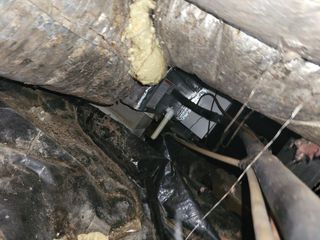
Our approach focuses on identifying significant leakage pathways and sealing the areas that matter most, rather than simply caulking visible gaps. Common leakage locations can include attic penetrations, top plates, recessed lighting, plumbing and electrical openings, doors, windows, duct boots, chases, rim joists, and other connections between conditioned and unconditioned spaces.
Blower door testing can be used to help identify leakage, establish a baseline, guide targeted air-sealing work, and verify improvement after the work is completed.
Controlling air movement is essential because air carries heat, moisture, and contaminants. By improving the continuity of the building’s air barrier, air sealing helps reduce uncontrolled pressure-driven airflow, limits unwanted moisture transport, improves thermal performance, and gives the HVAC and ventilation systems greater control over the indoor environment.
Exterior & Interior
AIR SEALING
Envelope air sealing focuses on uncontrolled air movement through the building enclosure.
Common leakage locations may include attic penetrations, top and bottom plates, recessed lighting, plumbing and electrical penetrations, doors, windows, chases, rim joists, duct boots, access openings, and other transitions between conditioned and unconditioned spaces.
Targeted air sealing helps improve the continuity of the air barrier, reduce uncontrolled infiltration and exfiltration, limit moisture transport by air movement, and improve overall thermal and pressure control within the home.
Controlling Air Flow
DUCT SEALING
Duct sealing focuses on leakage within the HVAC air-distribution system.
Leakage may occur at supply and return plenums, trunk lines, branch ducts, takeoffs, boots, air-handler connections, filter racks, seams, joints, and other duct-system connections.
Proper duct sealing helps reduce loss of conditioned air, limit unwanted air being drawn into the system, improve airflow delivery, reduce pressure imbalances, and support more consistent HVAC performance.